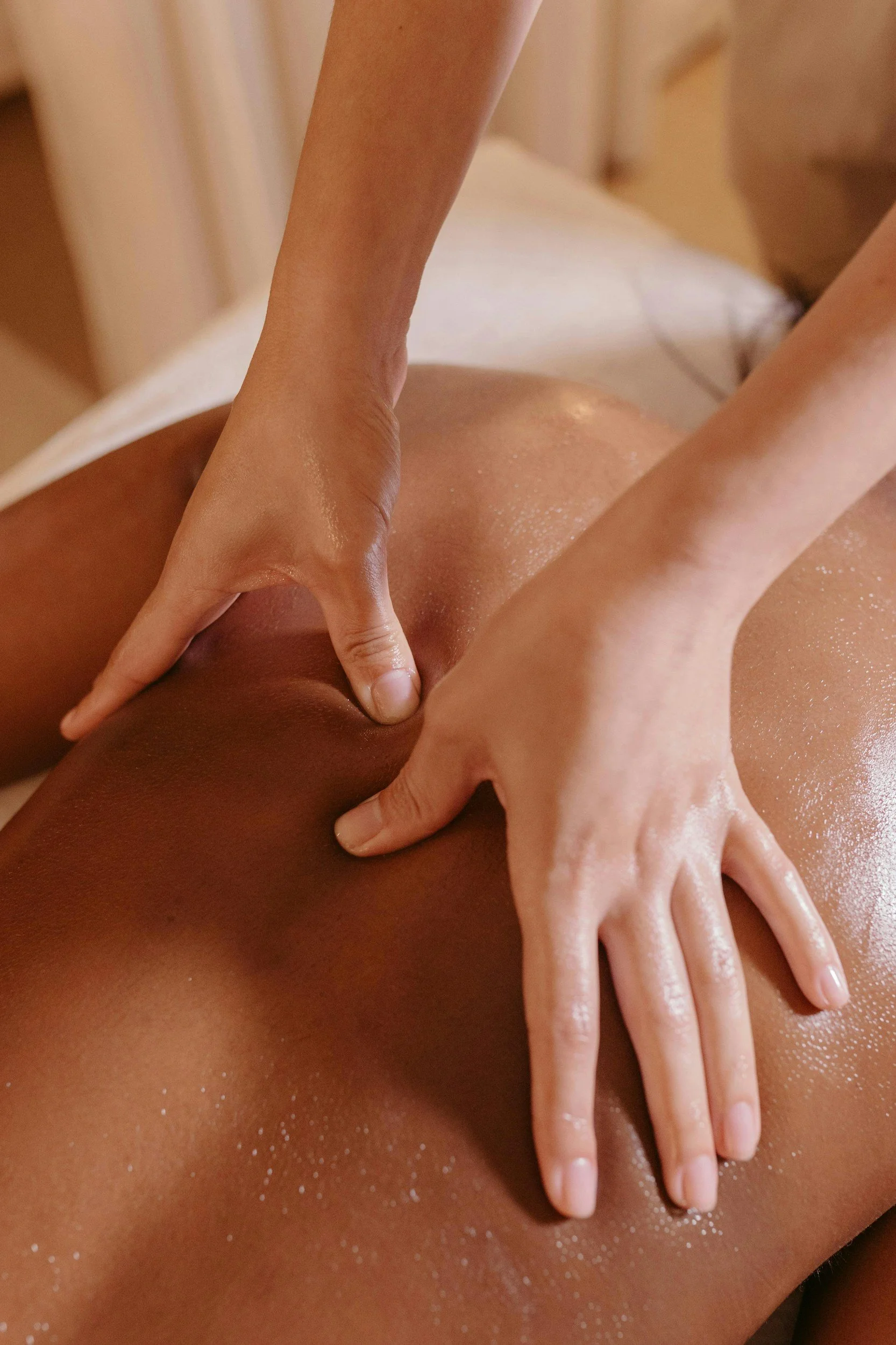
What is Neuromuscular Therapy?
Neuromuscular Therapy (NMT) is a precise, clinically informed massage approach that focuses on the relationship between muscles, nerves, and the skeletal system. Rather than working generally, NMT looks at specific muscles and trigger points that may be causing pain, tension, or restricted movement — often in places far from where the discomfort is felt.
This work is especially effective for chronic pain patterns, postural imbalances, and conditions where muscles have been compensating for a long time.
Our training in Neuromuscular Therapy is based on the work of Judy Delany, one of the pioneers of this method, known for her clear, functional approach to understanding pain and muscular dysfunction.
How Neuromuscular Therapy Works
Neuromuscular Therapy addresses pain by focusing on:
Trigger points (hyper-irritable spots within muscles)
Muscle imbalances that pull the body out of alignment
Nerve compression or irritation
Repetitive strain and overuse patterns
By applying specific, sustained pressure and working with the nervous system, NMT helps muscles release chronic holding patterns and allows the body to reorganize into a more balanced, functional state.
What Neuromuscular Therapy Is Helpful For
Neuromuscular Therapy can be especially effective for:
Chronic neck and shoulder tension
Headaches and migraines
Low back pain and hip discomfort
Sciatica and nerve-related pain
TMJ dysfunction
Repetitive strain injuries (computer work, manual labor, sports)
Postural issues and muscular imbalances
This is a great option for people who feel like their pain keeps coming back to the same spots, despite stretching, rest, or general massage.
What a Neuromuscular Therapy Session Is Like
NMT sessions are focused and intentional. Your therapist will:
Assess posture, movement, and pain patterns
Work with specific muscles related to your symptoms
Use slow, precise pressure rather than long flowing strokes
Communicate with you throughout the session
Pressure is always adjusted to what your body can receive — effective does not mean forceful. The goal is to work with your nervous system, not against it.
How This Fits Into Our Whole-Body Approach
While Neuromuscular Therapy is highly specific, we never see pain as isolated. NMT is often combined with other modalities such as Myofascial Release, CranioSacral Therapy, or Whole Body View work, depending on your needs.
Our goal is not just temporary relief — it’s helping your body function better, move more freely, and hold less tension over time.
Is Neuromuscular Therapy Right for You?
Neuromuscular Therapy may be a good fit if you:
Have ongoing or recurring pain
Feel “stuck” in certain movement patterns
Want a more targeted, problem-solving approach
Are curious about why your body hurts, not just how to relax
If you’re unsure which modality is best, we’re happy to guide you.